Wireless charging is an innovative technology that enables the convenient charging of devices without the need for cables or physical connections. One of the primary advantages of wireless charging is its inherent convenience. Instead of repeatedly plugging and unplugging cables, you simply need to place your devices on compatible wireless charging pads or stands. This seamless interaction makes charging hassle-free and enhances user experience. Additionally, wireless charging eliminates the clutter of tangled cables, contributing to a cleaner and more organized environment.

Working Principle of Wireless Charger
A magnetic loop antenna (copper coil) is used to create an oscillating magnetic field, which can create a current in one or more receiver antennas. If the appropriate capacitance is added so that the loops resonate at the same frequency, the amount of induced current in the receivers increases. This is resonant inductive charging or magnetic resonance; it enables power transmission at greater distances between transmitter and receiver and increases efficiency. Coil size also affects the distance of power transfer. The bigger the coil, or the more coils there are, the greater the distance a charge can travel.
Convenience
Connecting to a wireless charger is faster and easier than plugging in cables. Just set your phone down onto the charger, and it starts charging immediately - no need to free up your other hand to find and connect a cable. Wireless chargers also protect your phone from damage caused by repeated connecting and disconnecting, and are more robust than charging cables which may end up showing signs of wear and tear.
Stay Charged
Imagine giving your iPhone or Samsung phone a little battery boost every time you put it down. With wireless charging, you can. Wireless chargers come in all shapes and sizes. With one on your nightstand, on your desk, even in your car, it's easy to keep even the hardest working device charged all day.
Speed
Wireless charging is just as fast as using conventional chargers. A 5-watt charging pad will charge your smartphone just as quickly as a 5-watt/1 Amp wall charger- which is usually the kind supplied with your smartphone.
Why are Wireless Chargers Better

No Cable Hassle
Have you spent hours detangling a cable only to protect your cell phone from dying? We all hate those long cables that are tough to manage and take up a lot of space in the drawer or even your bag. There is no hassle of cable with wireless charging, and who doesn't love that. All you need is to place your phone on the charger or maybe use a few inches long cables (in case of power bank) and get the magic done.

Convenient
Here is another benefit of wireless chargers you should know. Added convenience is probably the major reason many people opt for a wireless charger instead of a normal one. And modern wireless chargers use the method of electromagnetic waves to charge your phone and deliver it the energy it needs.
Multiple Uses
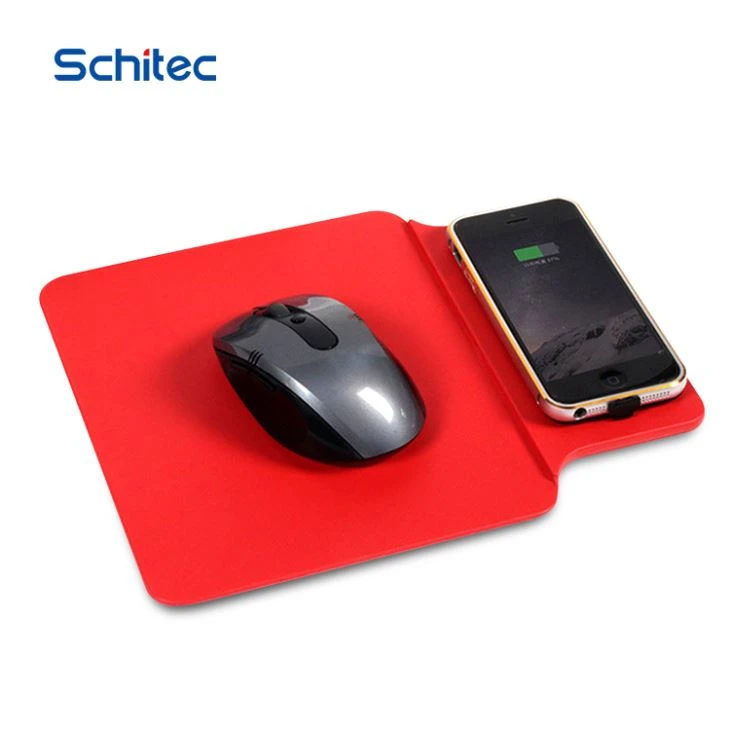
If you are traveling with a group of friends or maybe a few family members together, keeping too many chargers can be tough. You can use a single charger to power many phones with wireless charging. This is one of the most amazing benefits if your phone is compatible with the wireless charger type.

Durable in the Long Run
The wear and tear on the mobile phone's data interface will be greatly minimized because wireless charging does not require repeated plugging and unplugging of the charging cable. Simultaneously, the coil for wireless charging of mobile phones is not exposed to the air, reducing oxidation and corrosion of the charging unit. The wired charging is frequently plugged in and out, resulting in wear and tear, and the interface is exposed, making it susceptible to oxidation and corrosion.

Limitations of Wireless Charger
Besides the benefit of wireless chargers, there are also some limitations. Just like any other technology, a wireless charger has its limitations too. You need to know some drawbacks when using or before buying a wireless charger.

No Free Movement
When you heard the term wireless, did you think of leaving your charger at home and getting a charged phone somewhere else? Well, that's not the case. The wireless charger just doesn't have the cord, but it needs proximity, just like an old-school charger. In the case of a wireless charging pad, you might need to place your phone on the pad at all times.

It Takes More Time
Because Qi charging has less efficiency than cable charging, it takes longer to charge wirelessly with the same amount of power. Wireless charging is said to take 30-80 percent longer than charging with a cable to charge your device fully.

Compatibility Issues
Even though the same charging stations may be used for multiple devices, some individuals have had problems. There have been reports of people having issues charging various devices. There have also been concerns with some cellphones not taking power from the power station due to compatibility issues.
A general wireless charging system featuring a simple, compact, low-cost circuit structure that transmits power using induced magnetic flux generated between the power transmission and receiving sides. It is also characterized by high efficiency. Drawbacks include short transmission distance and susceptibility to misalignment.
In this system, power is transmitted through magnetic resonance utilizing resonators on the transmitting and receiving sides. This method is typically used when long transmission distance is required, and is being promoted for EV charger applications. However, efficiency is an issue.
A transmission method achieved by facing electrodes on the power transmitting and receiving sides towards each other to form a capacitor, using the phenomenon in which current flows between electrodes at high frequency (harmonic current). The transmission distance is short, similar to the electromagnetic induction method, but is less susceptible to misalignment and less heat is generated in the power supply block. One disadvantage is increased thickness of the high voltage transformer.
This system converts current to electromagnetic waves on the transmitter side, receives the electromagnetic waves from an antenna on the receiver side, converts the waves to direct current using a rectifier circuit, then transmits power through an electromagnetic field. Although the transmission distance is relatively long (up to several meters), efficiency is poor.


Compatibility with Your Device(s)
The foremost aspect to consider is whether the wireless charger is compatible with your devices. While many contemporary smartphones, including Apple iPhones and Samsung Galaxy phones, support the Qi (pronounced "chee") standard, you must cross-check the specs of your devices before making a purchase.
Charging Speed and Efficiency
While wireless charging is generally slower than wired charging, technological advancements have significantly narrowed the gap. Charging speed is typically determined by the power output of the wireless charger, measured in watts (W). The higher the wattage, the faster your device will charge, provided your device supports that output level.
Design and Aesthetics
When it comes to wireless chargers, technical specifications aren't everything. Since these devices often occupy visible spaces, such as desks or bedside tables, aesthetics matter. Consider the charger's form, color, and material to ensure it complements your space and other gadgets.
Safety Features and Certifications
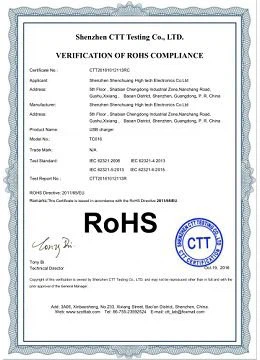
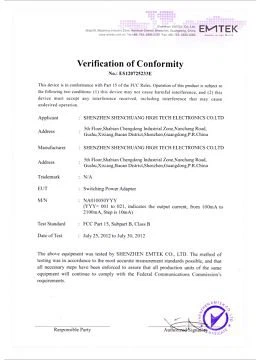
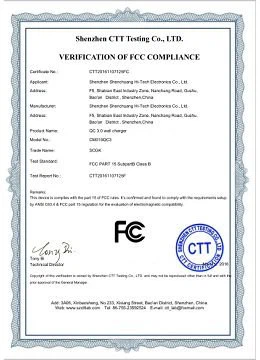
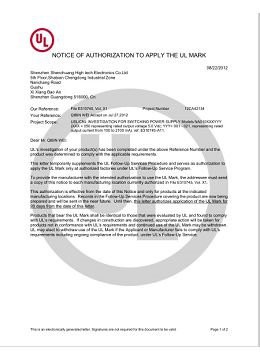
Safety should always be considered when purchasing a wireless charger. Look for chargers with built-in safety features such as temperature control, foreign object detection, and overcharge protection. These product details prevent overheating, so the wireless charger won't damage your smartphone or other devices. Safety certifications, such as those from CE (Conformite Europeene), RoHS (Restriction of Hazardous Substances), and FCC (Federal Communications Commission), add peace of mind as well. Chargers with Qi certification have been tested to ensure they meet the Wireless Power Consortium's safety standards. In contrast, uncertified chargers might not offer the same level of safety and performance.
Price and Brand Reputation
Consider your budget and the reputation of the brand. Prices for wireless chargers can vary significantly-from as low as $10 for budget options to more than $100 for premium models with multiple device support, advanced features, and stylish designs. While you don't necessarily have to splurge on the most expensive model, don't skimp on quality for the sake of saving a few bucks. Cheaper, lesser-known brands may come with compatibility issues or safety concerns. And after a few mornings of waking up to a phone that somehow didn't charge overnight, you'll wish you'd done your homework and ponied up the cash for a more reliable brand.
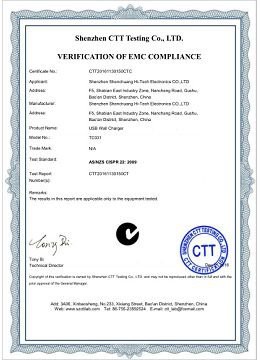
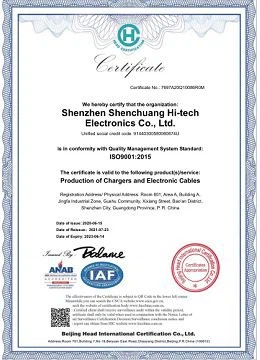
ISO,BSCI MFI certified factory With FCC CE UL ETL UKCA PSE SAA ROHS,CB certificates.


Within 15 years,we served lots of customers all over the world like above.




Various types of chargers and cables can be customized to meet customers' needs including Logo printing, package customization.
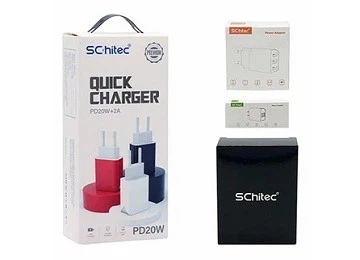
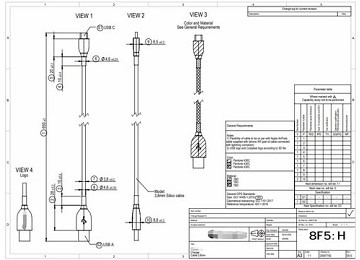
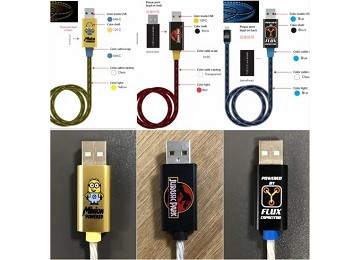
We're well-known as one of the leading wireless charger manufacturers and suppliers in China. Please feel free to wholesale high quality wireless charger made in China here from our factory. Contact us for more details.
(0/10)