What is a Wall Charger
A wall charger is a device that plugs into a wall outlet to charge electronic devices. Wall chargers are also known as USB chargers, AC adapters, power adapters, power bricks, and wall warts. Wall chargers can be used to charge a variety of devices, including: Smartphones, Tablets, Laptops. Wall chargers can provide up to 600 amps of current, which is 20% more than the 500 amps provided by traditional USB chargers. This means that wall chargers can charge devices faster.
Quick Charging
Modern gadgets play multiple roles as navigation, health, and safety tools. So, they must always be up and running. With fast-charging USB wall cables that feature Qualcomm fast charging technology, you can quickly achieve an 80% charge within half an hour. Most single-port chargers also charge faster than those with multiple ports. The reason is they don't offer a lot of usability besides charging one device, which enables them to charge devices fast. However, some wall chargers might damage your device. So, you should always check the USB cable's wattage on the station. Still, the wall charger indicates the maximum power output to different devices (V/A, Volts, and Ampere). If you see 5V/1A on your wall charger, the charger can deliver a maximum power of 5W. Chargers with this power output are ideal for slow charging.
Versatility
Carrying multiple bulky chargers is tiring. Multiple port chargers are great since they can connect to different devices. You can charge smartphones, Bluetooth headsets, laptops, tablets, etc. They also double up as extension cords without bulkiness. Some multi-port USB chargers can overheat if the connected devices draw more power than the charger can handle. So, ensure the charger's total output matches or is slightly higher than your device's requirements. Add the total amps for your charging device and compare it with the maximum output capacity of the charger. Smartphones can handle between 18 and 20 Watts, while laptops between 40 and 100 watts, depending on specifications.


Protects Your Devices
Chances are you're damaging your gadgets using chargers that lack an input/output current control. That's where the USB-C PD (Power Delivery) chargers, Their built-in features guarantee your device's safe charging. Because they can recognize the device plugged in, these chargers allocate the optimal Amp current to fast charge your devices. These chargers also have an overheat protection mechanism. They can constantly change the voltage and Amp current to reduce heat buildup. On the flip side, when wall chargers heat up, they might damage your gadgets, or the cable may catch fire.
Portable and Functional
A USB wall charger is lightweight and practical for traveling. Some have retractable pins. When folded, they don't cause outward-facing obstruction. Another critical design feature is their charging ports are clearly labeled. You can quickly identify the port with fast charge capability as it has a distinct color marking. Others include an LED light that displays different colors during and after your device is fully charged.
Multi-port Chargers
A multi-port charger is well-built enough to charge your laptop, phone, camera, tablet, speakers and many other electronic gadgets. It satisfies each device based on its different charging rates and needs. Multi-Port chargers can combine a traditional USB-A port and USB -C port. They can be between 60 -100 watts. Need a charger that is capable enough to charge different devices at the same time? Only a multiple-device charger can do it for you.
Dual Port Chargers
Dual port charger unlike a multi-port charger only contains a PowerPoint but can charge more than one device at the same time. The dual port charger is one of the most perfect wall chargers to have at home to avoid fights and arguments over who to use the next available PowerPoint.It has a broad ability surrounding all the device types. This charger can equally charge phones, tablets, smartwatches and more. Need a charger that only has access to one power point? Then only a dual port charger can do it for you.
Single Port Chargers
Single port chargers unlike dual-port can only charge one device at a time. It has the ability to perform well with only one device. Which can be your Smartphone, tablet or smartwatch or any one of the devices you have to charge at that moment. Most single ports chargers can use a USB-C port. It is usually about 20 -30 watts.The single port chargers can enable less charging pressure and can also enable safe charging because you are just limited to one device.


Find Out How Much Power You Need (W)
When considering a USB wall charger your first concern is how much power your device needs to charge effectively. This will often list the very maximum charging power a given device is capable of. In general, smartphones require between 18- 120 W (watts) of power.
Look Into the Supported Charging Protocol
In general, there are three smartphone charging standards, and these are:
Universal-USB Power Delivery (USB PD): the most common USB-C charging standard for phones. The key to correctly choosing a wall charger for your phone that will charge at the fastest possible speed is ensuring enough throughput wattage whilst supporting the required charging standard.
Check the Output Charging Speed of Your Wall Charger
Always remember to look at the Output of the Wall charger too before purchasing,
5V 1A: A 5V 1A charger means it's a 5W charger (5Vx1A=5W)
5V 2A: Similarly 5V 2A charger is a 10W charger.
Effectively a 5V 2A charger is going to charge faster and more efficiently.
Consider the Number of Charging Ports Supported
It's important to bare in mind the use case for your wall charger before purchasing. Futureproofing is key, do you solely need your charger for one device? Perhaps you wish to be able to charge two portable devices at the same time such as a phone and a tablet. Consider your use case carefully to maximise the usefulness of the charger you purchase and check that it has the correct USB ports required for your device cables.
Evaluate the Safety Features of Your Wall Charger
Input/output control, voltage regulation, and overheat protection, are all safety features that should be a baseline consideration when choosing your wall charger. These will regulate power in and out of the charger, prevent short circuits and ensure that your charger will not overheat. Without these, your wall charger or connected devices could be damaged, or in the worst-case scenario cause a fire.
EU new universal charger policy & UK at Odds
An important final note! It has recently been reported in the news that the EU will be standardising USB-C connectors across all portable devices by the end of 2024, including mobile phones. It's up for debate whether this move is a good thing for consumers as charging cables will be more universal across devices, whereas at the present your phone may require Apple's proprietary lightning cable, but your tablet may use USB-C.
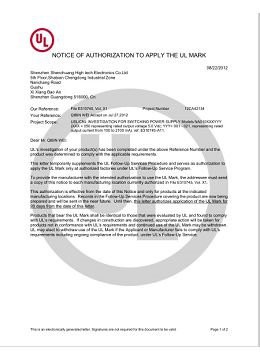
ISO,BSCI MFI certified factory With FCC CE UL ETL UKCA PSE SAA ROHS,CB certificates.
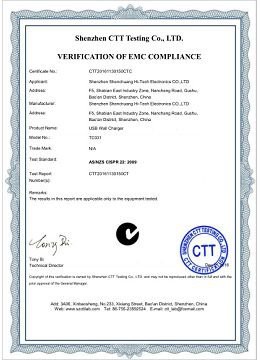
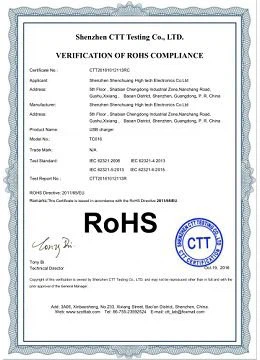

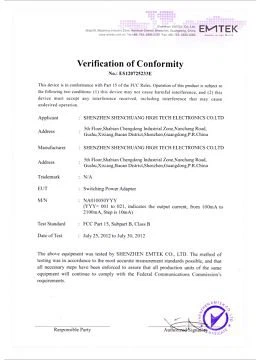
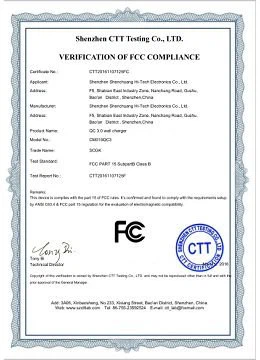


Within 15 years,we served lots of customers all over the world like above.




Various types of chargers and cables can be customized to meet customers' needs including Logo printing, package customization.
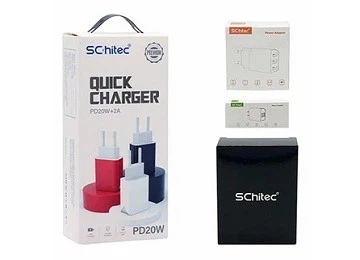
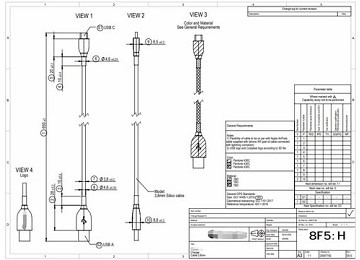
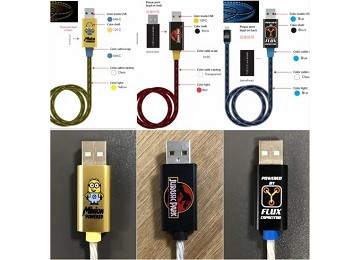
We're well-known as one of the leading wall charger manufacturers and suppliers in China. Please feel free to wholesale high quality wall charger made in China here from our factory. Contact us for more details.
(0/10)