




Winter Is Coming
 Dec 16, 2019|
Winter is coming
"Winter is coming," warned a Norwegian representative on November 22nd, at a meeting of the World Trade Organisation (WTO).
The multilateral trading system that the WTO has overseen since 1995 is about to freeze up.
On December 10th two of the judges on its appellate body,which hears appeals in trade disputes and authorises sanctions against rule-breakers, will retire and an American block on new appointments means they will not be replaced.
With just one judge remaining, it will no longer be able to hear new cases.The WTO underpins 96% of global trade. By one recent estimate, membership of the WTO or General Agreement on Tariffs and Trade (GATT),its predecessor, has boosted trade among members by 171%.
When iPhones move from China to America, or bottles of Scotch whisky from the European Union to India,it is the WTO's rules that keep tariff and non-tariff barriers low and give companies the certainty they need to plan and invest.
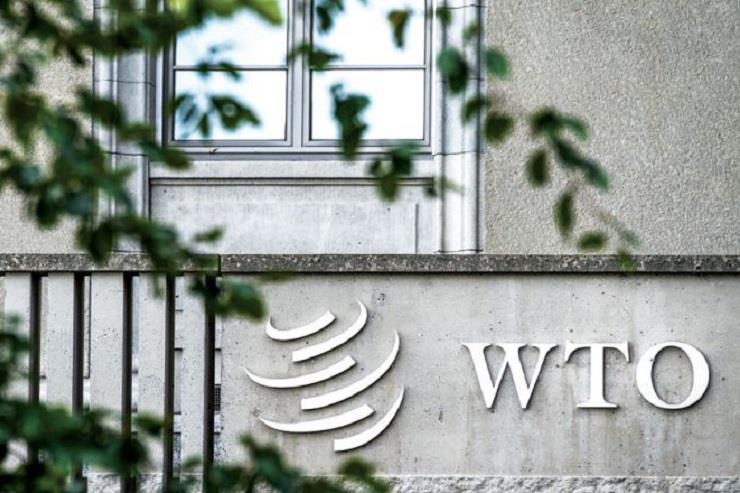
The system is supposed to be self-reinforcing. Mostly, countries follow the WTO's rules.
But if one feels another has transgressed, then instead of starting a one-on-one trade spat it can file a formal dispute.
If the WTO's ruling displeases either party, it can appeal. The appellate body's judgments pack a punch.If the loser fails to bring its trade rules into compliance, the winner can impose tariffs up to the amount the judges think the rule-breaking cost it.
It is that punishment that deters rule breaking in the first place.It is no surprise that President Donald Trump has axed these foreign arbiters, given his general distaste for internationally agreed rules.
On November 12th he declared himself "very tentative" on the WTO. But the problems run far deeper than dislike of multilateral institutions.They stem from a breakdown in trust over the way international law should work, and the more general failure of the WTO's negotiating arm.
Had the Americans felt that they could negotiate away their grievances, resentment towards the appellate body might not have built up.But with so many members reluctant to liberalize, including smaller countries fearful of opening up to China, that has been impossible.