





Life After Tariffs
 Jan 07, 2020|
Life after tariffs
A year ago an economic forecasting unit in the Chinese government published an outlook for the coming year.
The big worry, it concluded, was the external environment. Shipments to America, China's biggest customer, would suffer as the trade war dragged on.
China had maxed out its exports to other big countries, and others were too small to make a difference.
So China's boffins are, like many others, surprised by how things have gone.
Exports to America are indeed down, by nearly 15% so far this year. But exports to the rest of the world have been much stronger.
China, it turns out, had more to sell to its big customers: exports to Europe are on track to surpass exports to America this year.
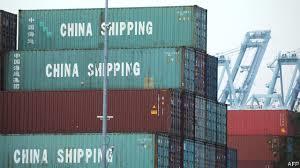
Meanwhile exports to smaller markets in South-East Asia, such as Vietnam and Malaysia, have boomed.
According to data from CPB World Trade Monitor, China's share of global exports has reached 11.9%, slightly higher than in July 2018,
when the first American tariffs hit. Sluggish imports—in part because of a domestic slowdown
mean the trade surplus is set to be about a quarter bigger in 2019 than in 2018.
One explanation for China's resilient exports is the yuan's 6% depreciation against the dollar since the trade war began.
That has blunted the tariffs' impact. China's currency has also weakened against other major trading partners.
A second is goods routed through other countries to avoid tariffs. Some sent to South-East Asia have ended up in America.