

The latest iPhone 14 Pro series has been revealed, with the A16 once again leading the way in smartphone multi-core performance
 Oct 04, 2022|
 The latest iPhone 14 Pro series has been revealed, with the A16 once again leading the way in smartphone multi-core performance
Apple unveiled the iPhone 14 series at its autumn event in the early hours of yesterday morning. The iPhone 14 Pro and 14 Pro Max series are exclusive to the latest A16 Bionic chip, while the regular iPhone 14 and 14 Plus continue to carry the A15 chip from the previous generation. The A16 Bionic chip's latest performance was revealed today, breaking the record of smartphone SoC once again.
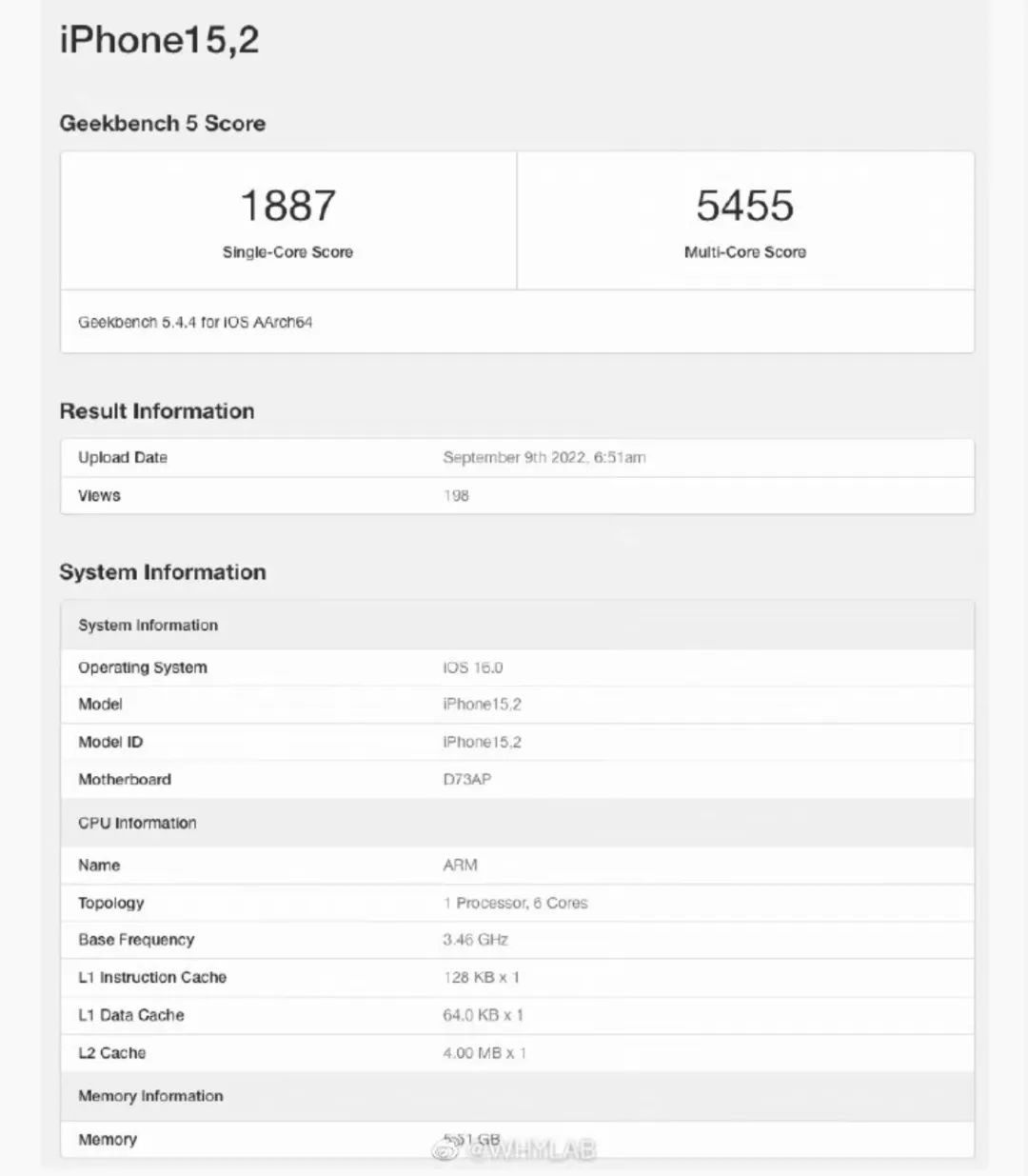
The five-run Geekbench score for the A16 shows 1,887 for single cores and 5,455 for multiple cores. For comparison, Geekbench's average 3.2ghz A15 core score is 1692 (iPhone 13 / Mini), 1707 (Pro/Max), and 1722 (iPhone SE 3). The multi-core runs were divided into 4498, 4674 and 4546 points. According to this calculation, compared with A15, A16 single-core increases by about 10%, and multi-core increases by about 15%.
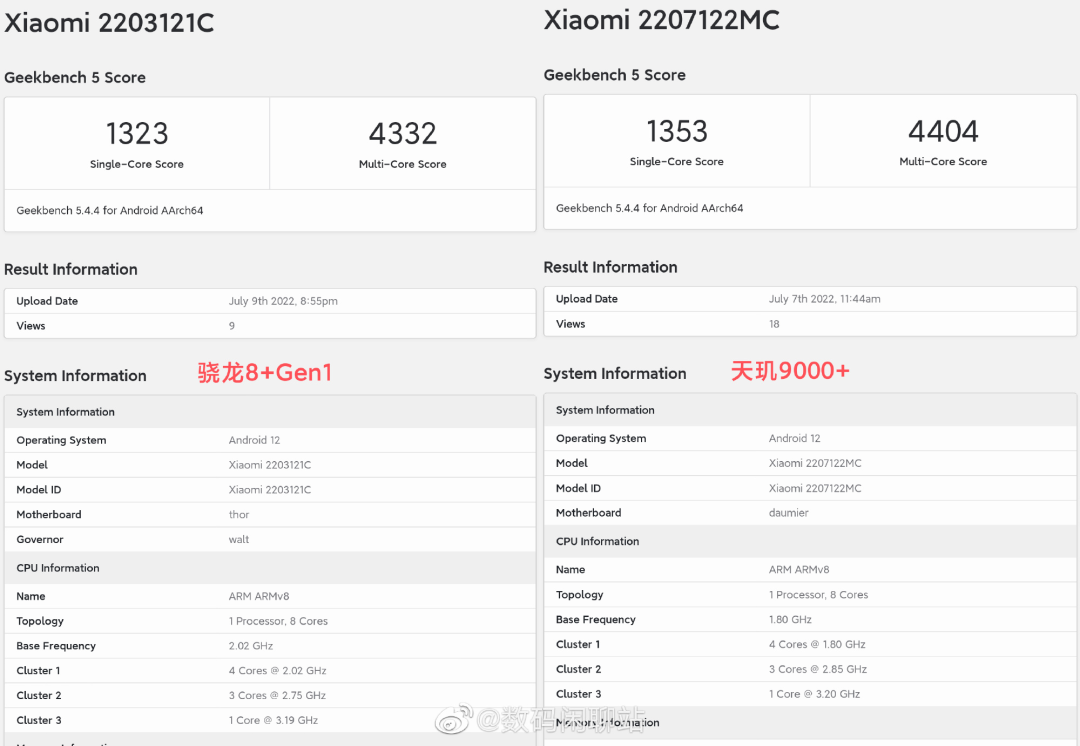
In contrast, there is still a big gap between the current Android phone processor platform and A16. Even for the top Qualcomm Snapdragon 8+ and Mediatek Tiji 9000+, the Geekbench 5 multi-core score is about 4300, less than 4500, which is more than 1000 points lower than A16.
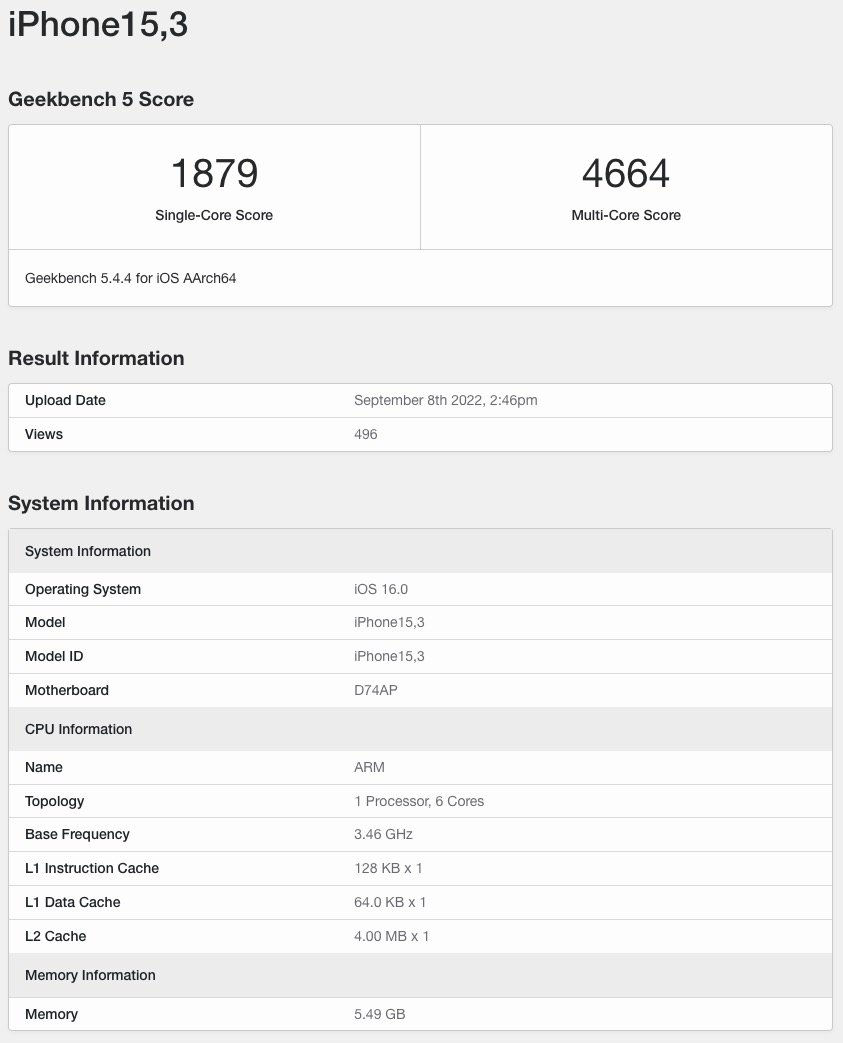
It is worth mentioning that the run score of this exposure and the earlier run score, can be said to be a world of difference - the single-core run score of 1879, the multi-core run score of 4664, and the multi-core score is almost the same as the A15. Considering that A16 is upgraded with a newer 4nm process than A15, this result is not normal.
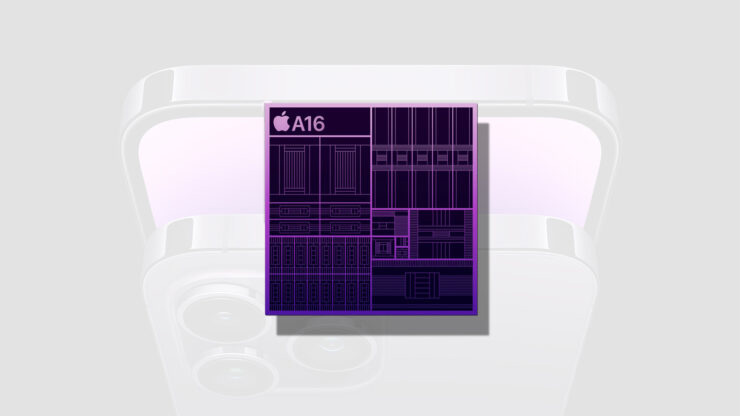
There has been no official promotion of the A16 this year. A16 is based on 4nm process, integrates 16 billion transistors and 6-core CPU (2 large and 4 small). Compared with A15, the power consumption of A16 is reduced by 20%, and the memory bandwidth of GPU is increased by 50%
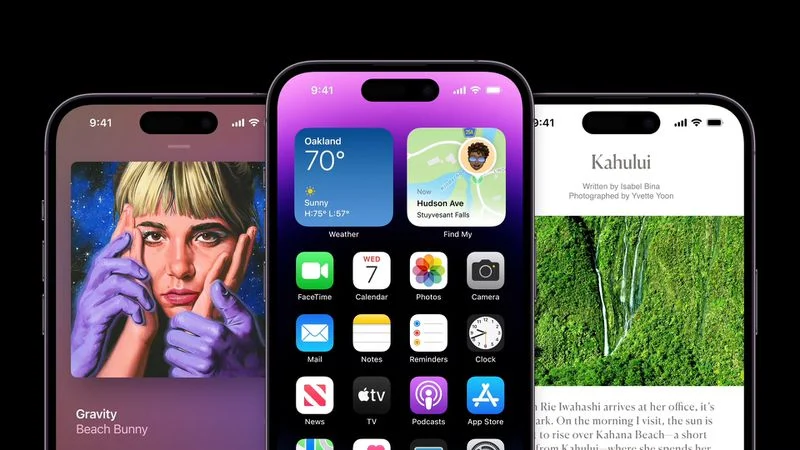
The A16's performance gains aren't just about CPU and GPU. With a new ISP, a 16-core neural network engine, and a 48-megapixel master camera, the iPhone 14 Pro and Pro Max can perform up to 4 trillion actions per photo, resulting in greater overall detail and night noise reduction.